Missed Opportunity
by David Haynes
This is my first post. It's kind of intimidating so bear with me until I get used to it. I've been into Photography for about 2 years now and I'm learning everyday. I'm not very computer savy so I may need help with post processing. If possible offer detailed advise on how to correct in post opp. I love avian Photography and photo in Southern California. Lok forward to meeting some of you on the trails. Anyway, feel free to be critical with comments. It's the only way to learn. It wont hurt my feelings.
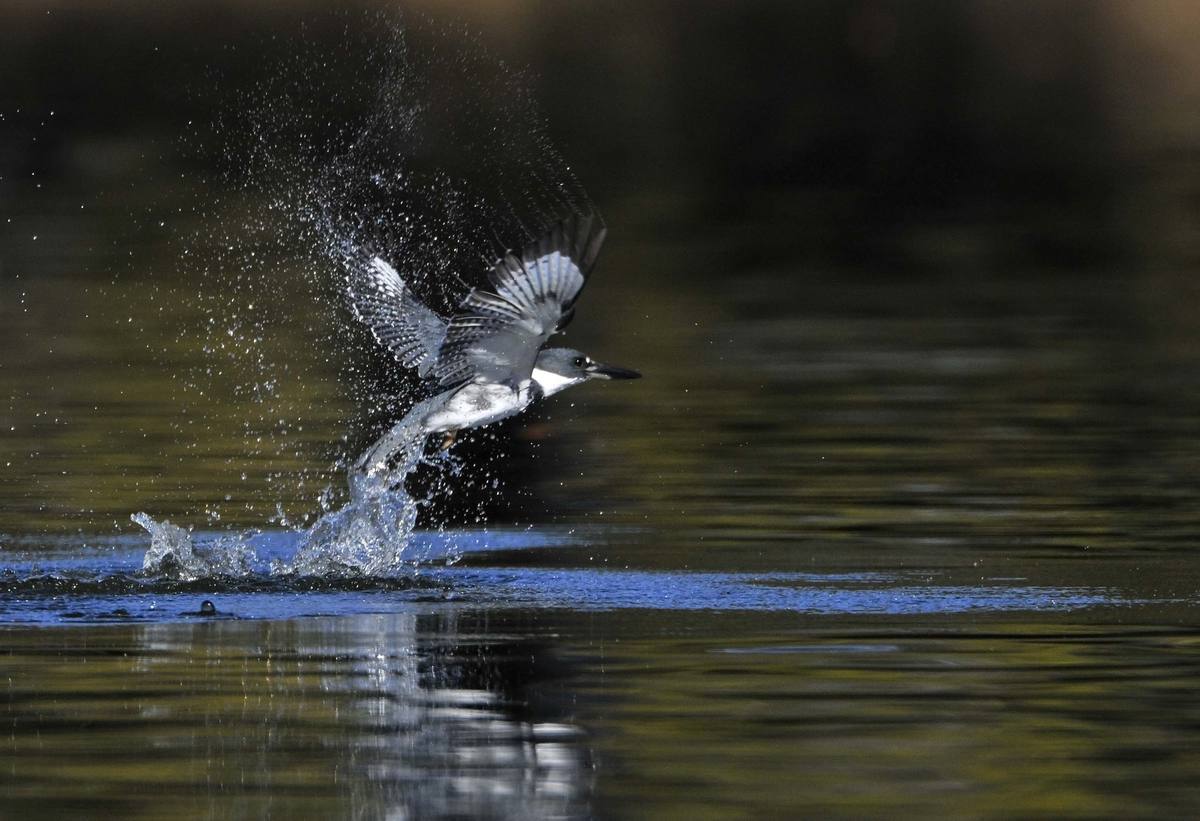
I got this shot in San Diego this January early in the morning. This little guy almost never misses hence the title missed opportunity. I just wish he had come up with Breakfast in his mouth. Next time. If this post is succesful I'll continue posting and continue learning from all you guys. Thanks!!!
Nikon D300S
200-400mm w/1.4 tele @full focal
SS 1250
F-stop 6.3
ISO 400
Manual Mode
Spot Metering
WB manual Sunny
Tripod/wimberly

Comments
12 commentsTHis is actually quite a nice first post!
Avian photography, and especially birds in flight, is a very big challenge.
For BIF, Generally, use the lowest f-stop you have, (preferably 3.5-4) and bump the ISO up to the most your camera can handle. With the D300s (that I also use), it's excellent NR will handle at least an 800 iso with ease.
The 200-400 is an excellent lens, but a bit slow with a TC.
The auto WB is also great in this camera, so you might want to not fool with the WB. You can always alter it a bit in post-processing, if you want to.
What processing program do you use?
Sandy r
I like the dynamic nature of the shot, with the raised wings and water everywhere. I think that it could use a little sharpening, and that more shutter speed in the field may have helped also. This is certainly a difficult subject though, and you've got a good start.
If you shoot RAW (you should!) you can use auto white balance in the field and fine-tune it when you get home.
On shooting bif, it's easier and almost always useful to set your camera for aperture priority. That way you can change settings on the fly with one finger.
Welcome to the forum. Great first post. You already have excellent suggestions from some very talented photographers, and you obviously have considerable experience.
I often see and photograph kingfishers. The following observations may be of some help to you:
They generally perch on a low branch when fishing. They strike with lightning speed. They are very often successful, and will often go back to the same perch with the catch. Usually, you can see the fish in their mouth for a few seconds before they swallow it.
When they are perched, and looking for a fish, you don't know exactly where they will dive. At that stage, it helps to have a wide open field of view (otherwise you are very likely to miss the action) and then try to zoom in on the spot where they dive. For this, I generally like to use shutter priority at 1/2000 sec. This effectively stops the motion.
When they are back on the perch with the fish in the mouth, you need maximum zoom in, since the fish is so small.
Like us, kingfishers are creatures of habit, and have their favorite perches for fishing.
If you keep an eye on the spot (for a few days) where you saw him, you are very likely to get a second chance.
Hope this helps. Looking forward to future posts from you.
Kumar
Welcome to NPN's Avian critique gallery, you will learn a lot from the contributing members here about technique, post processing and about the birds themselves. Avian photography is challenging and great fun.
Your fist post is a success as far as I am concerned because you posted and that is an important first step.
As fast as kingfishers fly I am surprised they don't creat a small sonic boom when they dive & fly. Shutter speed is key with BIF but being aware of dof is critical too. In the larger version of your image it appears that other areas of the bird are sharper than the bird's face, tracking these speed demons though can be very difficult. Kudos for getting this image as it is!
I am looking forward to seeing more of your work.
Nits already covered, I really like the spray from the beating wings.
Jagdeep Rajput