Fill Flash
by Keith Bauer
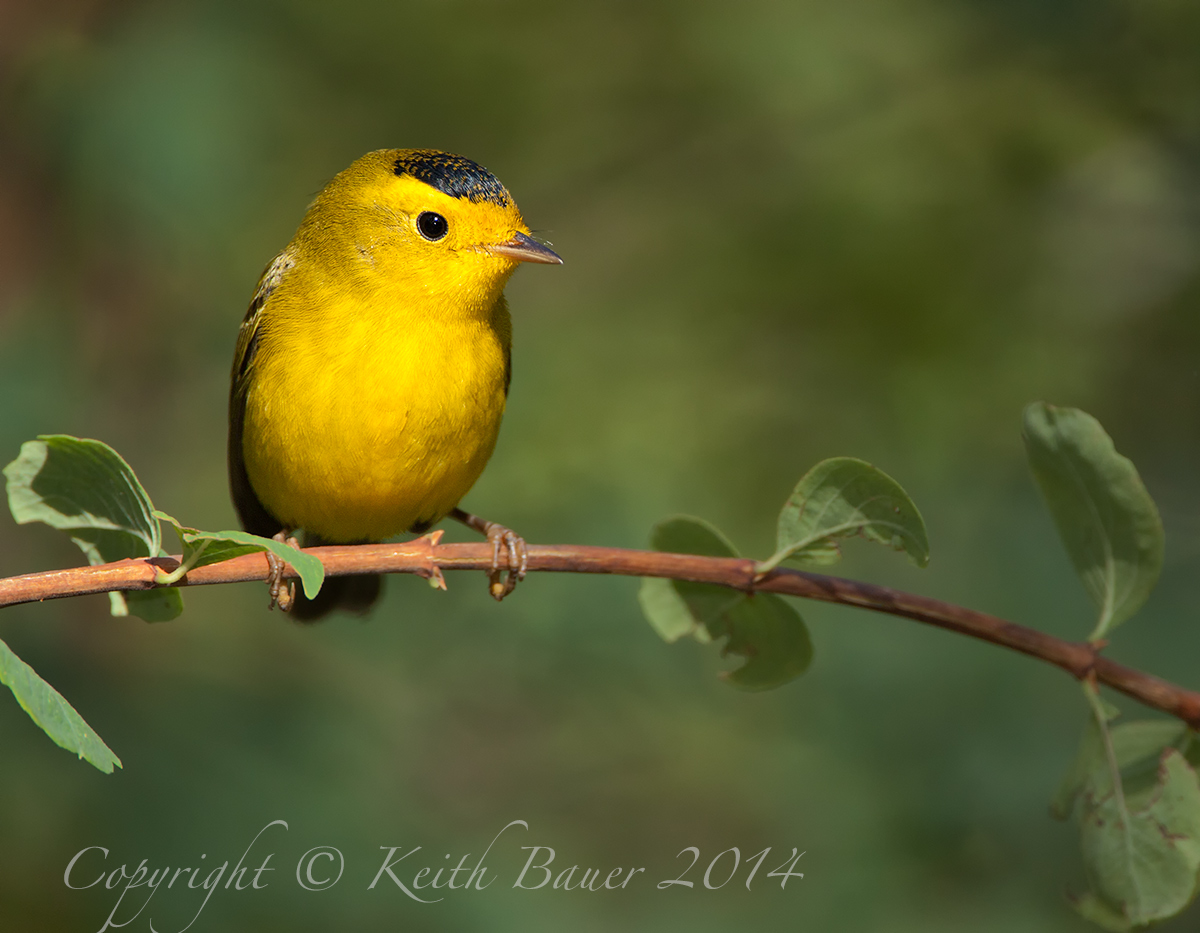
I commented on a recent image talking about fill flash. I was also asked off line about using fill flash in the field. Thought it would be worthwhile to share a quick image and discuss it here.
Techs on this image:
Canon 50D, 500mm f/4 with 1.4x TC
ISO 400
1/320 @ f/5.6
Canon 580 EX flash at -2
I usually use flash on perched birds like this if I can. It helps tame the background if it is brighter, allows me to fill in shadow detail without destroying the shadows, and created a catchlight. In this example image, I did not clone out the extra catchlight from the flash on purpose just to show a problem it can create. This has a catchlight from the sun and a catchlight from the flash (smaller light lower in the eye) I've posted a crop of the eye so you can see it easier.
With this image captured at 1/320 I had to use High Speed Sync (in Canon terms) since that shutter speed is faster than the camera's flash sync speed. While High Speed Sync decreased the effective range of the flash, flashes like the 580 still have more than enough power to do the job.
I use a Wimberly flash bracket to get the flash up off the lens axis to avoid any eye shine issues, then an off camera flash cord to connect the flash to camera.
Hope this image will create a discussion on using this technique. I think flash is incredibly important in helping with many contrast situations and providing more pleasing images.
Of course I don't use or condone the use of flash on birds at night (like owls).
Thoughts??

Comments
10 commentsIt's a great looking shot of a very challenging subject. comp is excellent.
I use fill flash very infrequently for birds: more often when I was first experimenting with it; can't recall the last time I bothered. For me, that's the basic problem - I don't like the extra weight and bulk of a flash attached when I'm out walking around looking for subjects. If I did more stationary shooting (from a blind or backyard setup) then I'd likely make this a regular part of my approach.
I think what makes this successful is keeping the fill ratio rather low as the -2 in this example. You don't want the image to looked flashed by using too much power - that's what makes so many fill shots appear unnatural.
I still struggle at times controlling its use..
I admit there are many times when I know I should use it to fill, and don't.
It's easy to fall back on the natural look excuse I guess