I am a zoologist, working at the University of Reading, UK. In addition to working on insects as research subjects, I teach on ecology field courses (Spain, 2002-2006, and more recently, in Borneo, 2006-date) and the University campus is an excellent place to study biodiversity.
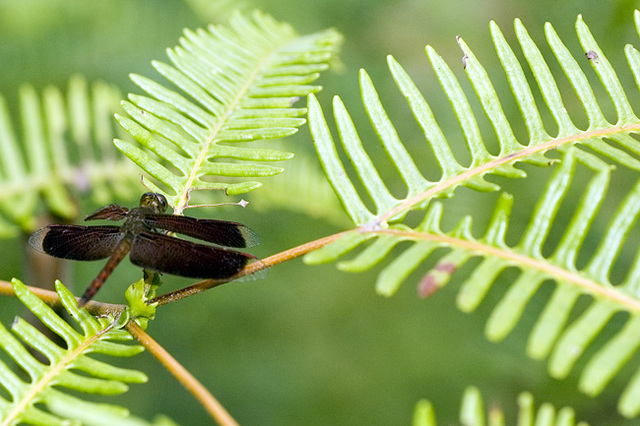
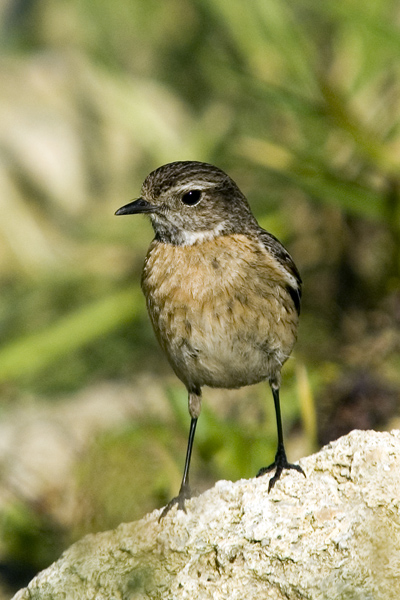
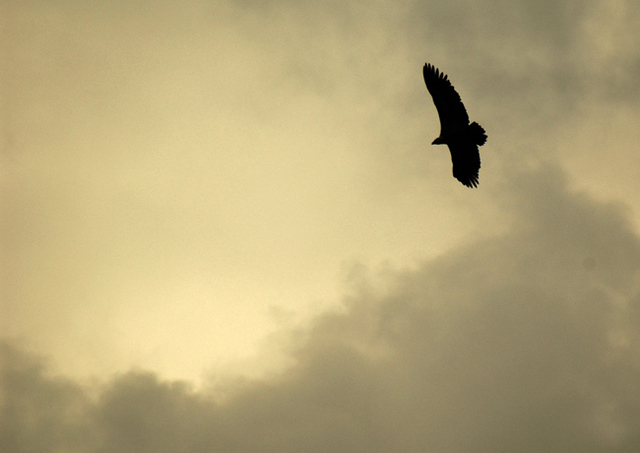
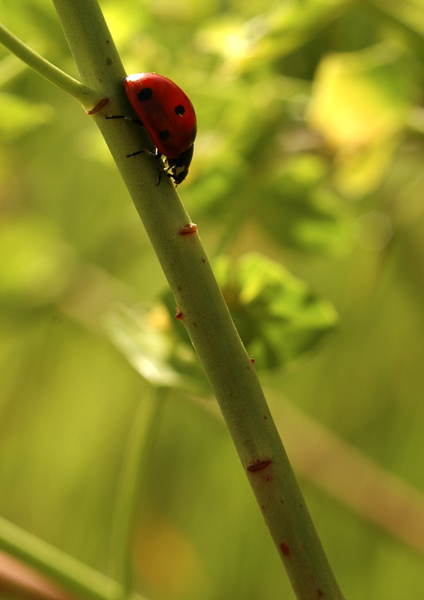
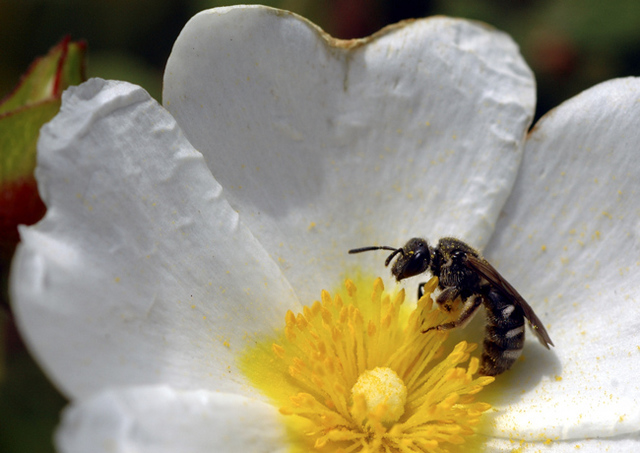
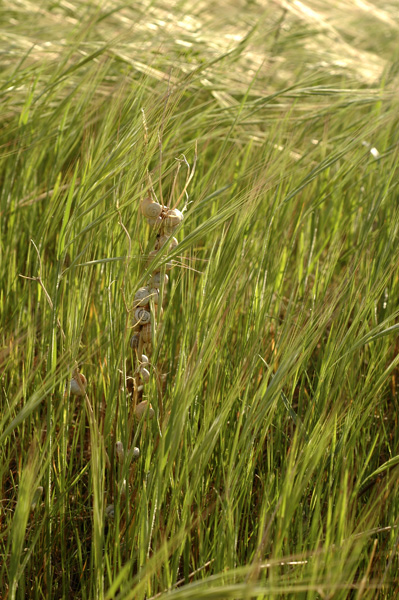
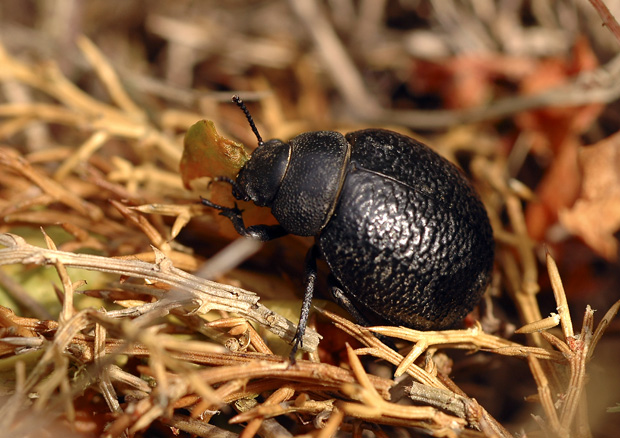
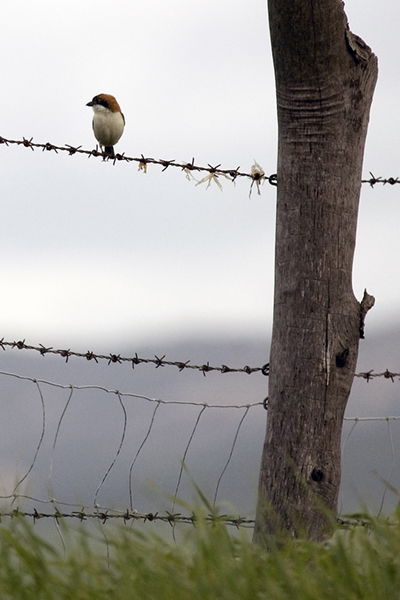
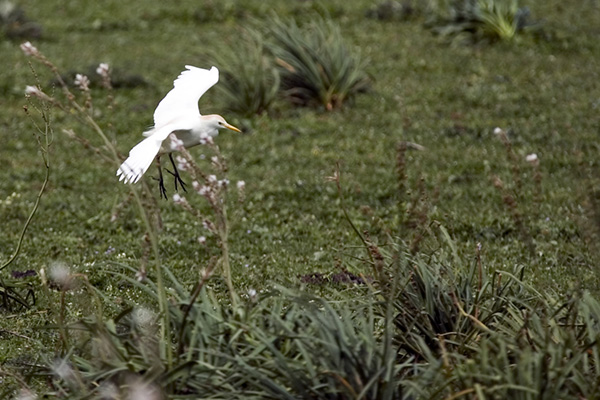
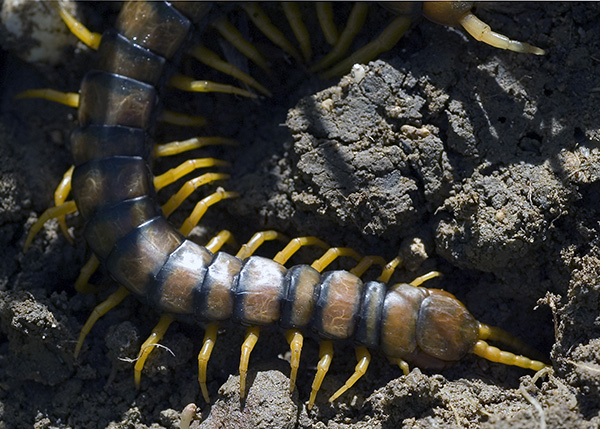
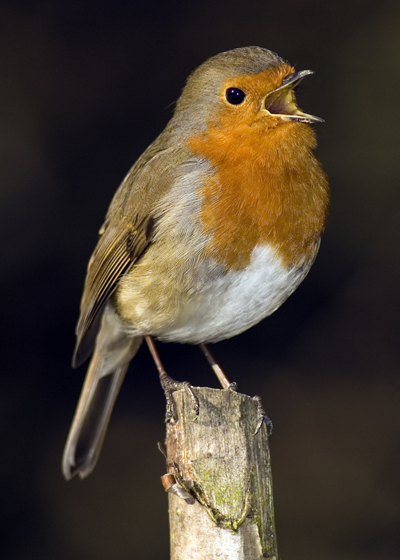
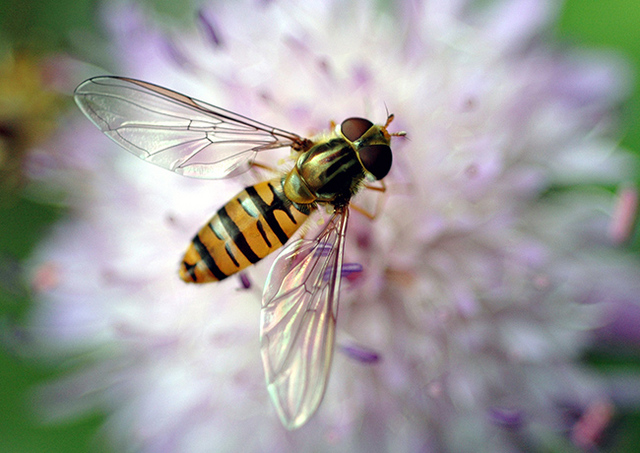
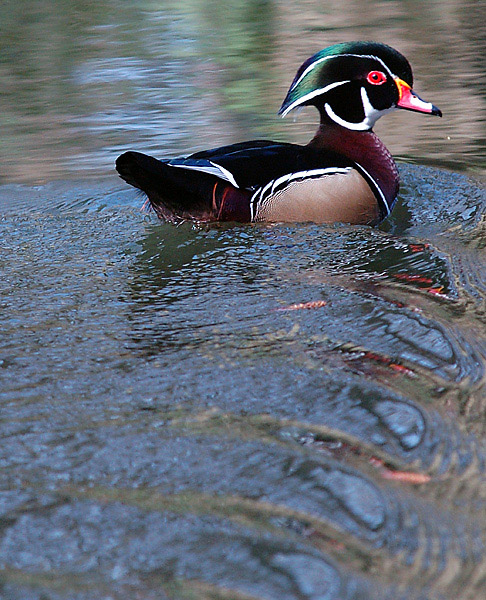
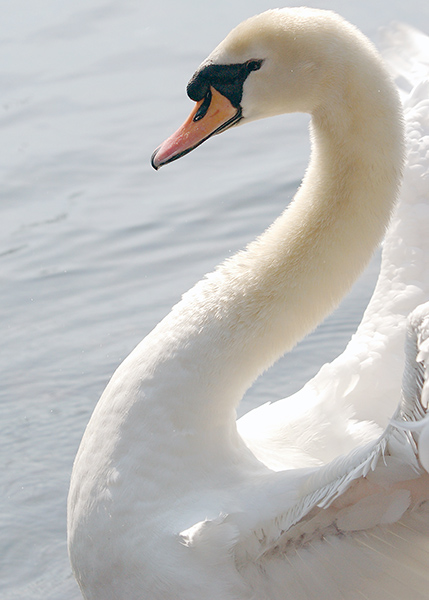
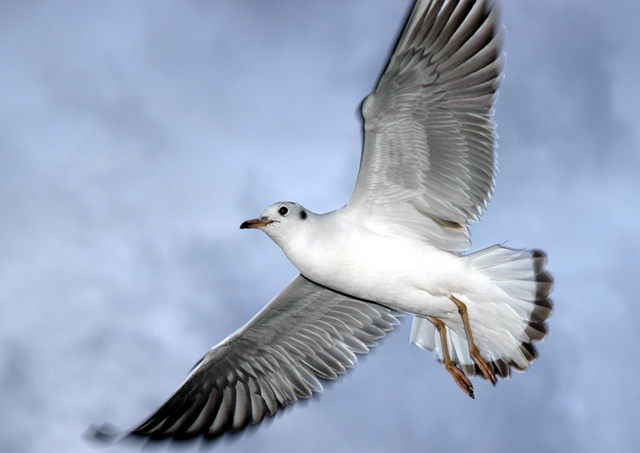
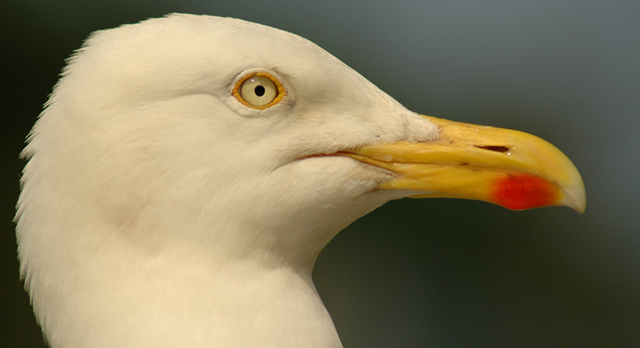
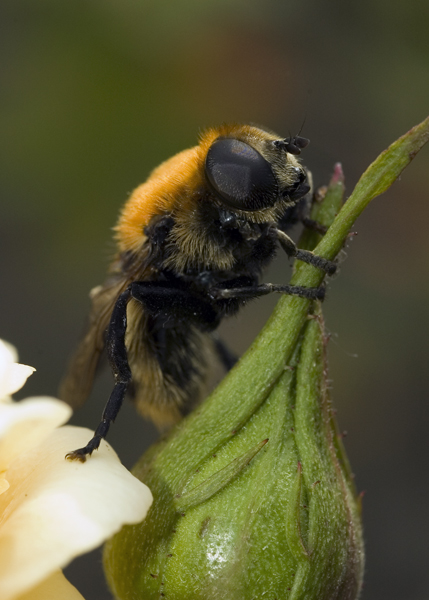
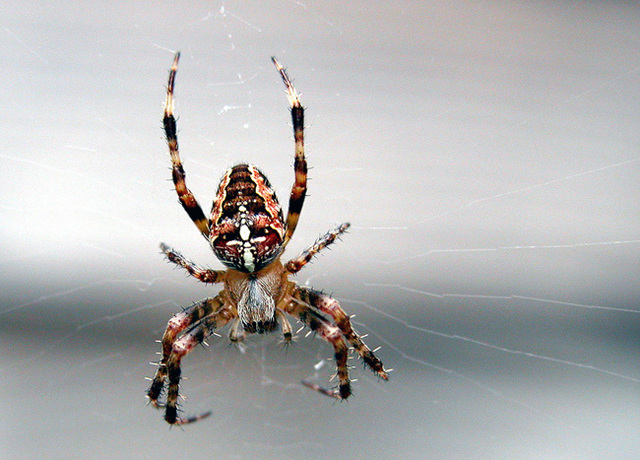
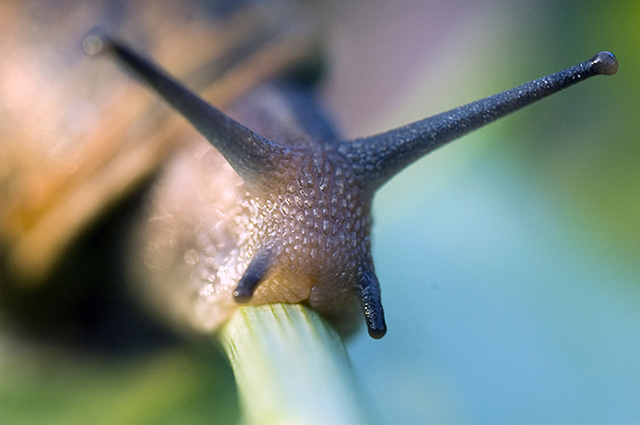
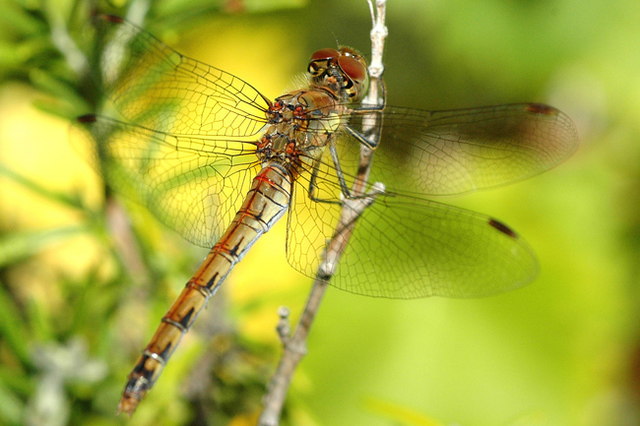
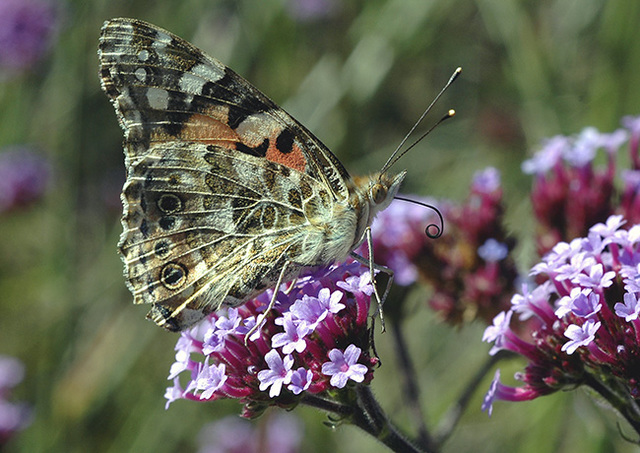
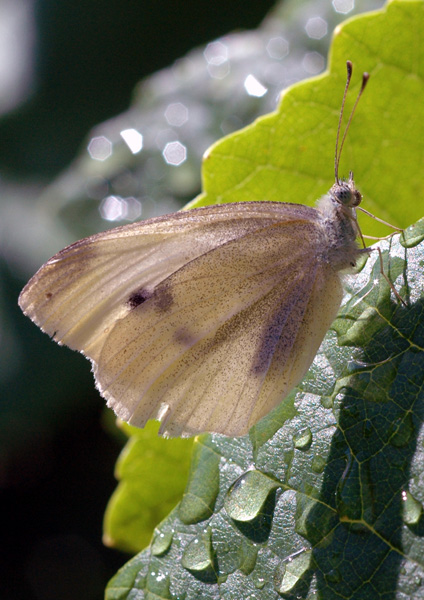
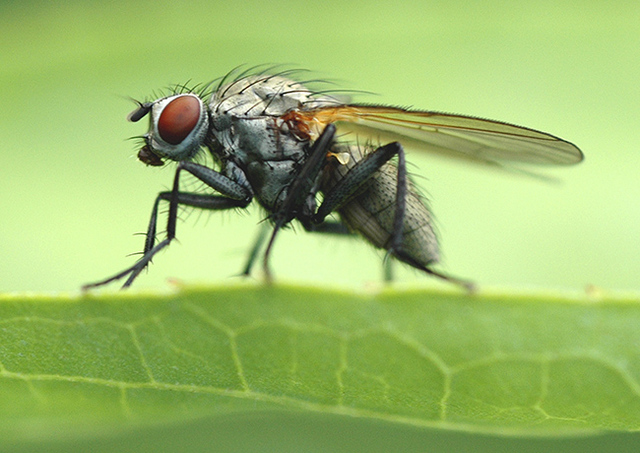
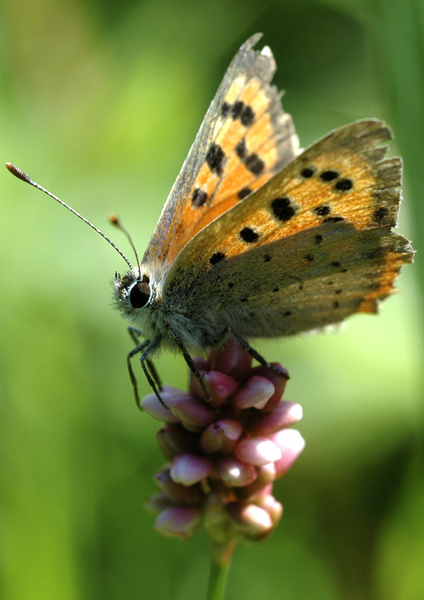
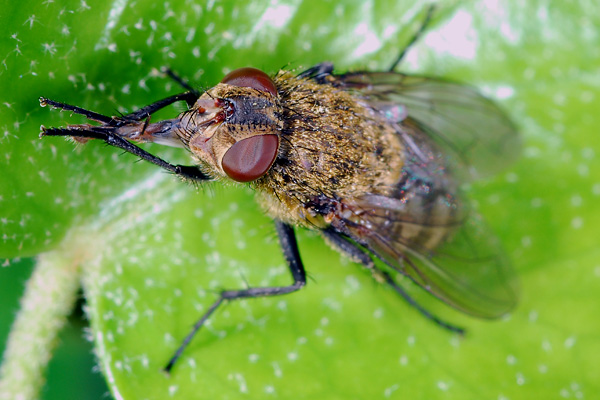
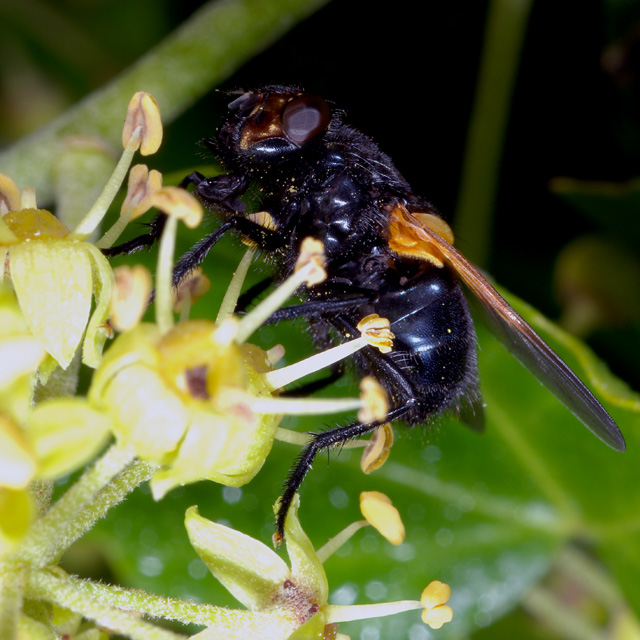
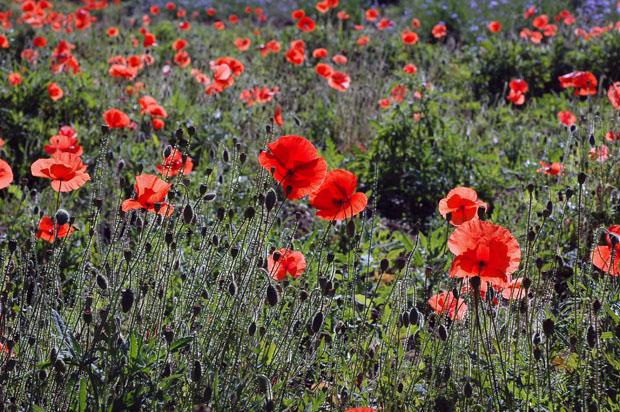
This web-site shows some of the species seen on the field courses and found on campus. All photos from Spain and Borneo were taken while there, whereas some of the pictures of species found on campus were taken elsewhere, although the majority were taken on campus.
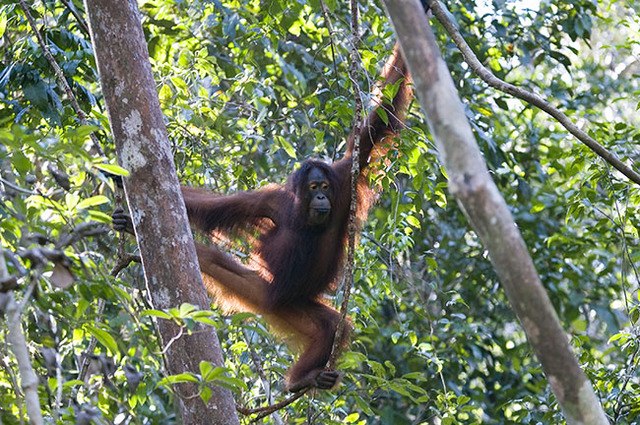
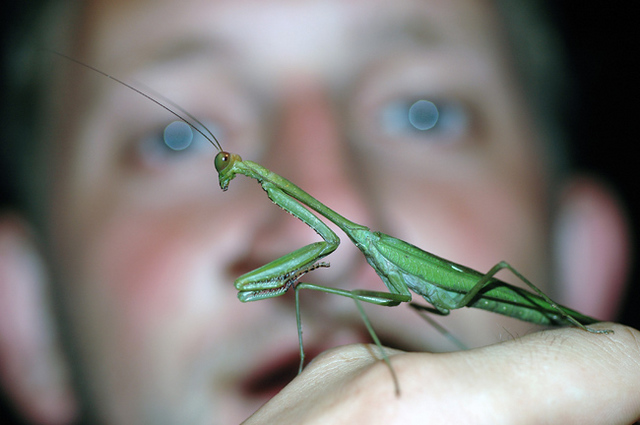
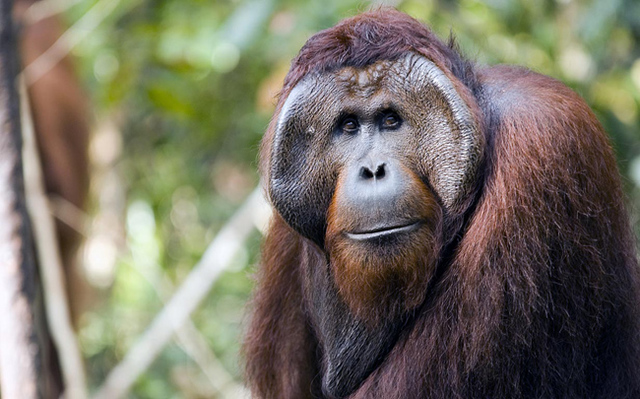
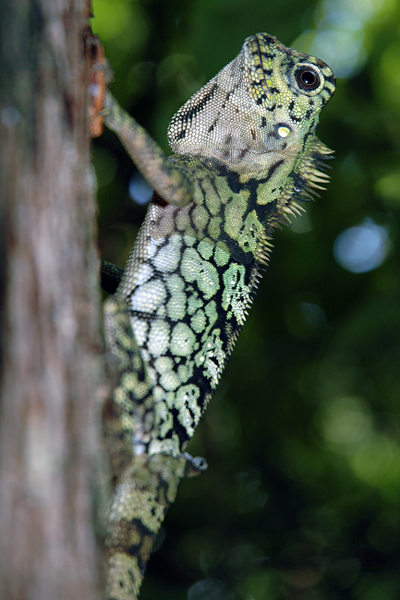
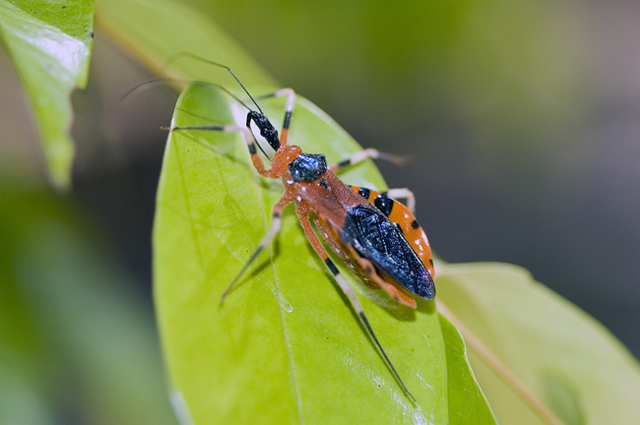
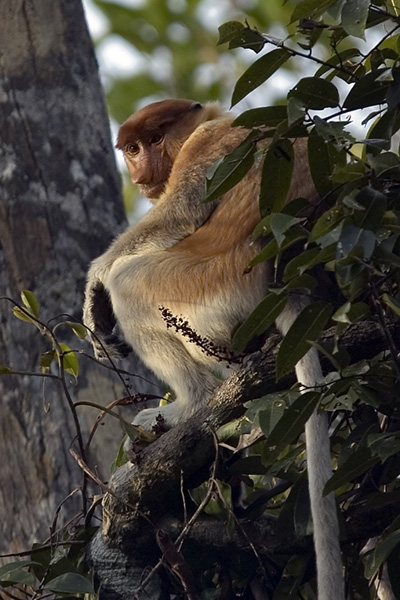
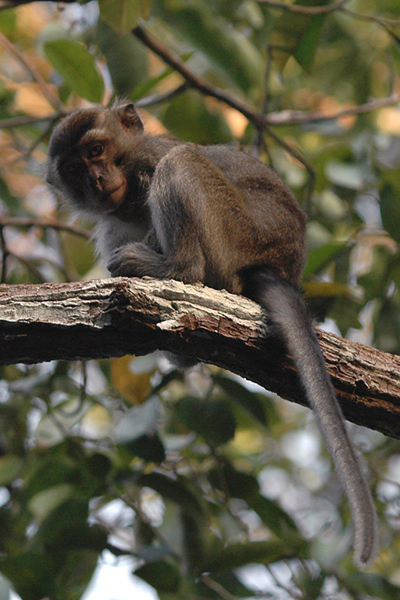
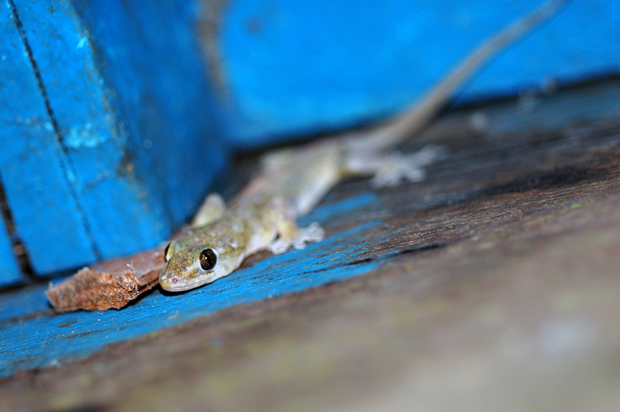
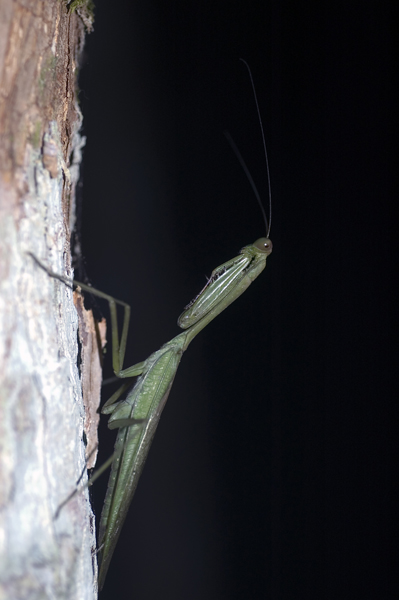
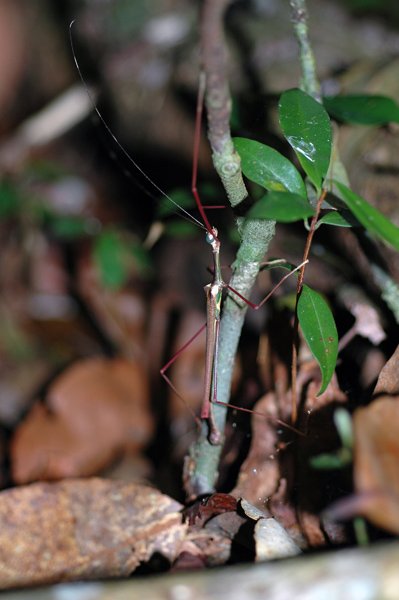
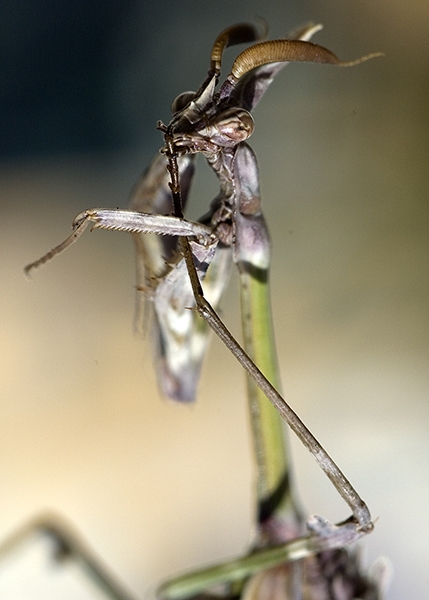
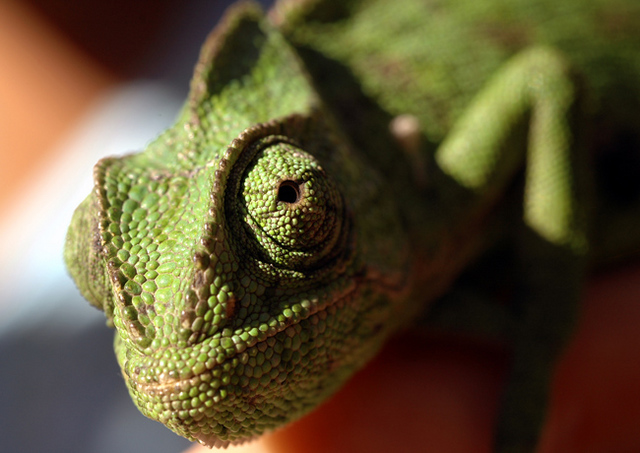
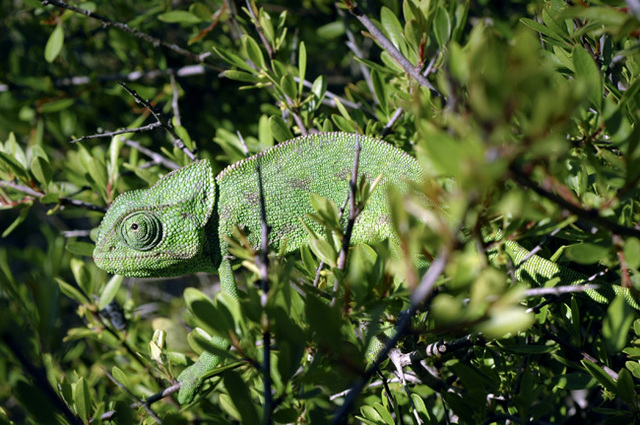
The Spanish field course is held in Zahara de los Atunes, Andalucia, and the highlights are definitely the griffon vultures, storks and chameleons. The Borneo field course is held in Tanjung Puting national park, Indonesian Borneo. This holds the world's greatest concentration of orang-utans, as well as a wide range of other primates (including proboscis monkeys), reptiles (false gharials), birds (hornbills and kingfishers) and insects (stick insects, mantids, and butterflies). On both field courses the focus is on providing students with hands-on experience of a wide range of biodiversity.
The University campus has a range of habitats, including a substantial lake, mature woodland, a botanic garden, and more open meadows. This is used to provide students with the opportunity to move easily from the laboratory to the field for whole-organism biology courses, and is also a beautiful place to just wander around. More information can be found at www.biosci.reading.ac.uk.
Any comments or feedback would be welcome.
Best wishes
Mark