Nature Photographers Network
This is the preserved archive of the original Nature Photographers Network. The community continues at naturephotographers.network.
Invasive Aquatic Plants
‹ PreviousMan & Fauna GalleryNext ›

Invasive Aquatic Plants

by Mike Ramy

Gallery: Man & FaunaPosted October 5, 2013200 views4 comments
Invasive Aquatic Plants
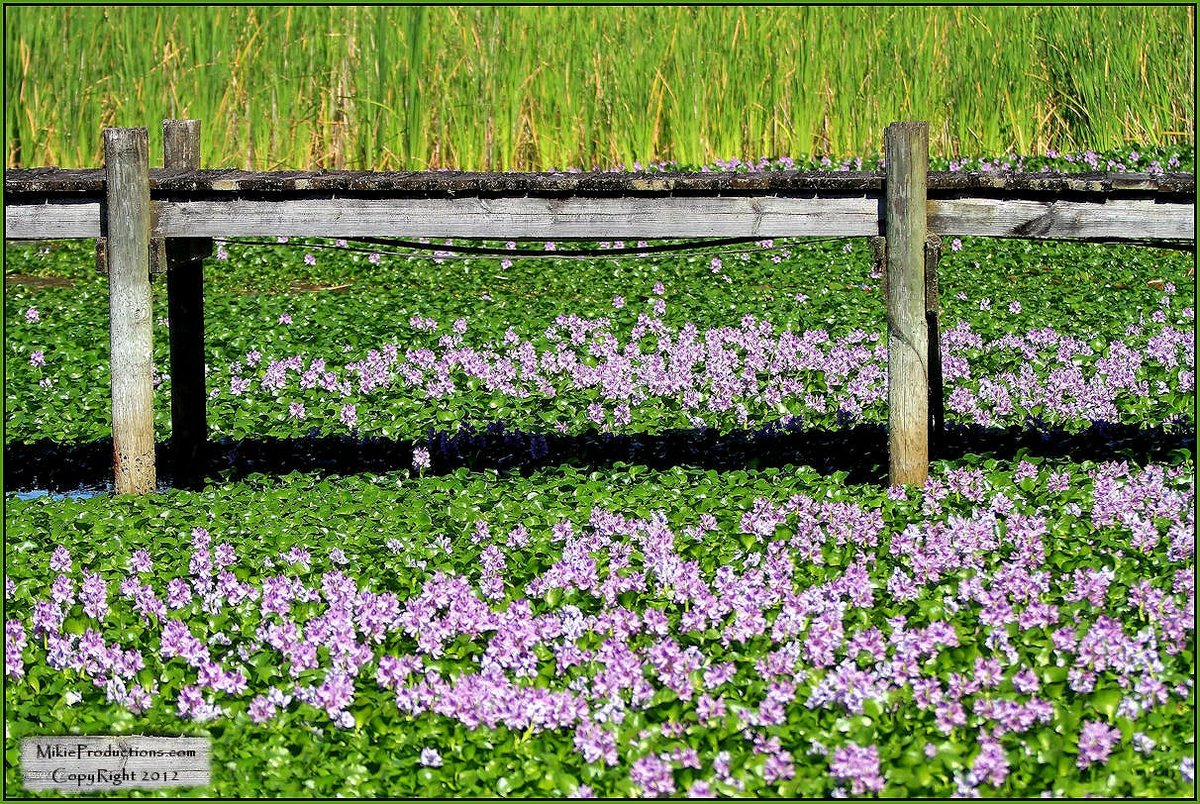
Although this may seem to be a pretty site, the uncontrolled growth of invasive plant life is a very harmful situation to the waterways of Florida. This should be a usable waterway and dock access on the St Johns River but, left unchecked has become useless for all concerned. Most Florida public lakes and rivers are shallow and capable of supporting submersed as well as floating plants across most or all of their surfaces. Couple this topography with a nearly year-round growing season. Add the phenomenal growth of invasive plants, and it becomes clear that plants must be managed to conserve the uses and functions of Florida public waters.
Problems caused by invasive aquatic plants include:
1) Loss of recreation
2) Severe oxygen depletion
3) Stunted fish populations and fish kills
4) Water-flow restrictions, flooding
5) Navigation restrictions
6) Accelerated sedimentation
7) Habitat destruction
8) Reduction in biodiversity
9) Reduction in property values
Thanks for information provided by: University of Florida - IFAS Center for Aquatic and Invasive Plants. The UF/IFAS Center for Aquatic and Invasive Plants is a multidisciplinary research, teaching and extension unit directed to develop environmentally sound techniques for the management of aquatic and natural area weed species and to coordinate aquatic plant research activities within the State of Florida. The Center was established in 1978 by the Florida legislature.

Comments

4 comments
Comment posted by Carl Battreall on October 7, 2013 at 2:14 PM
Invasive plants are a big issues here in Alaska. Though I have mixed feelings about them. If they were deliberately brought by humans into areas I am all for their removal, However, if a plant is really good at spreading and surviving, should we destroy it for being good at survival? For being the fittest?
Registered on August 29, 2007, 24 Posts, 222 Comments
Comment posted by Paul Breitkreuz on October 13, 2013 at 11:24 PM
Too bad this wonderful photo has a bit of negative underbelly to it as a result of the invasive plant. To a certain extent I can understand what maybe the issue with humans that intentionally bring the wrong plants to an area, but what about migratory birds or animals with scat bringing in the various unwanted species. Tough call from a laymen perspective, but I'm sure the scientists have a much better understanding on the issue.

Congratulations Mike on the EP / WP selection in this category. Fine example here. :toast:
Registered on February 25, 2006, 525 Posts, 8448 Comments
Comment posted by Philip Hodgkins on November 6, 2013 at 11:40 AM
Mike, I have no problem with controlling water hyacinth and other aquatic invaders, no matter how it gets introduced. In the short run, biodiversity gets the benefit, as well as a side benefit to hunters, fishermen, photographers, bird watchers, etc. There is just no downside to management of these, in my opinion. These plants are, as Carl has stated, super at surviving. As such, they cannot be eradicated without adverse effect to the other occupiers of aquatic habitat. The operative word, therefore, is control, not eradication.
Registered on July 24, 2006, 2741 Posts, 12349 Comments
Comment posted by Mike Ramy on July 1, 2014 at 1:31 PM
Thanks to everyone for taking the time to comment, much appreciated.
Registered on June 16, 2012, 567 Posts, 2809 Comments